Archive for the ‘Uncategorized’ Category

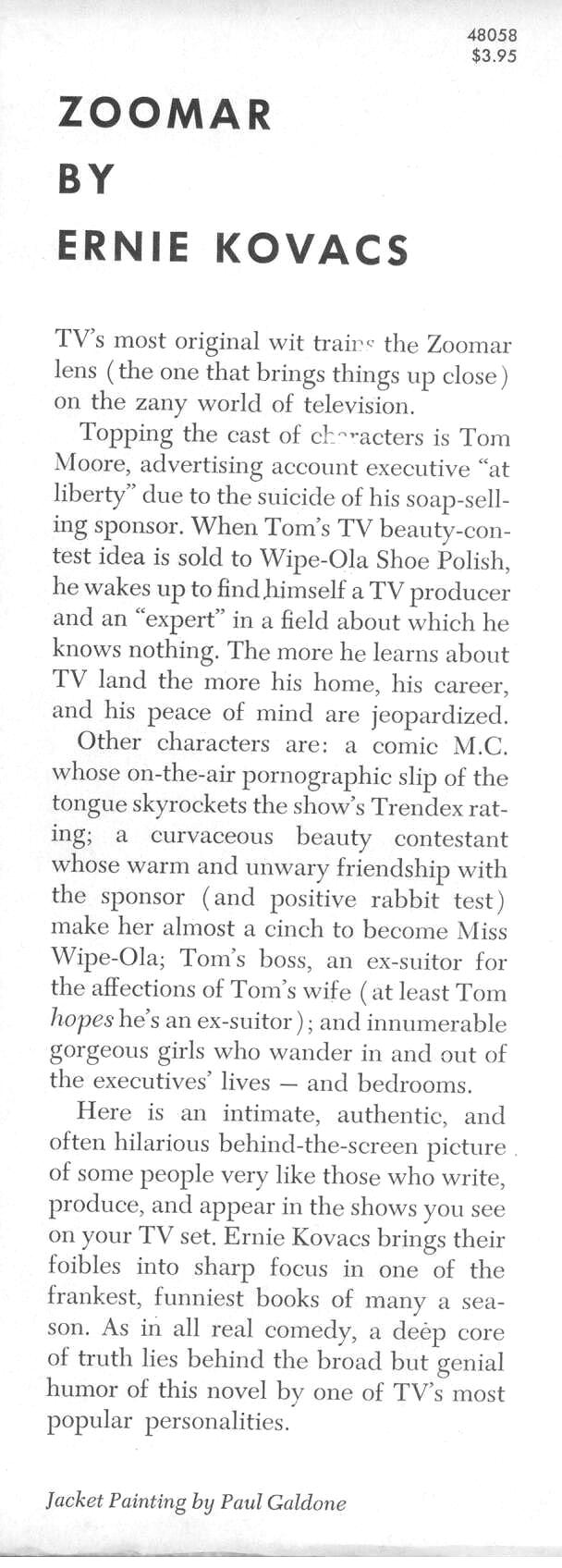
ZOOMAR: a novel by Ernie Kovacs

December 15, 2010

I recently read Ernie Kovac’s novel Zoomar.  I’ve had a copy for years.  The “modern popular novel” is generally not my cup of tea.  But Ernie Kovacs is an old hero and favorite of mine.  Then, Zoomar was published over fifty years ago (in 1957) thus it’s not too modern.

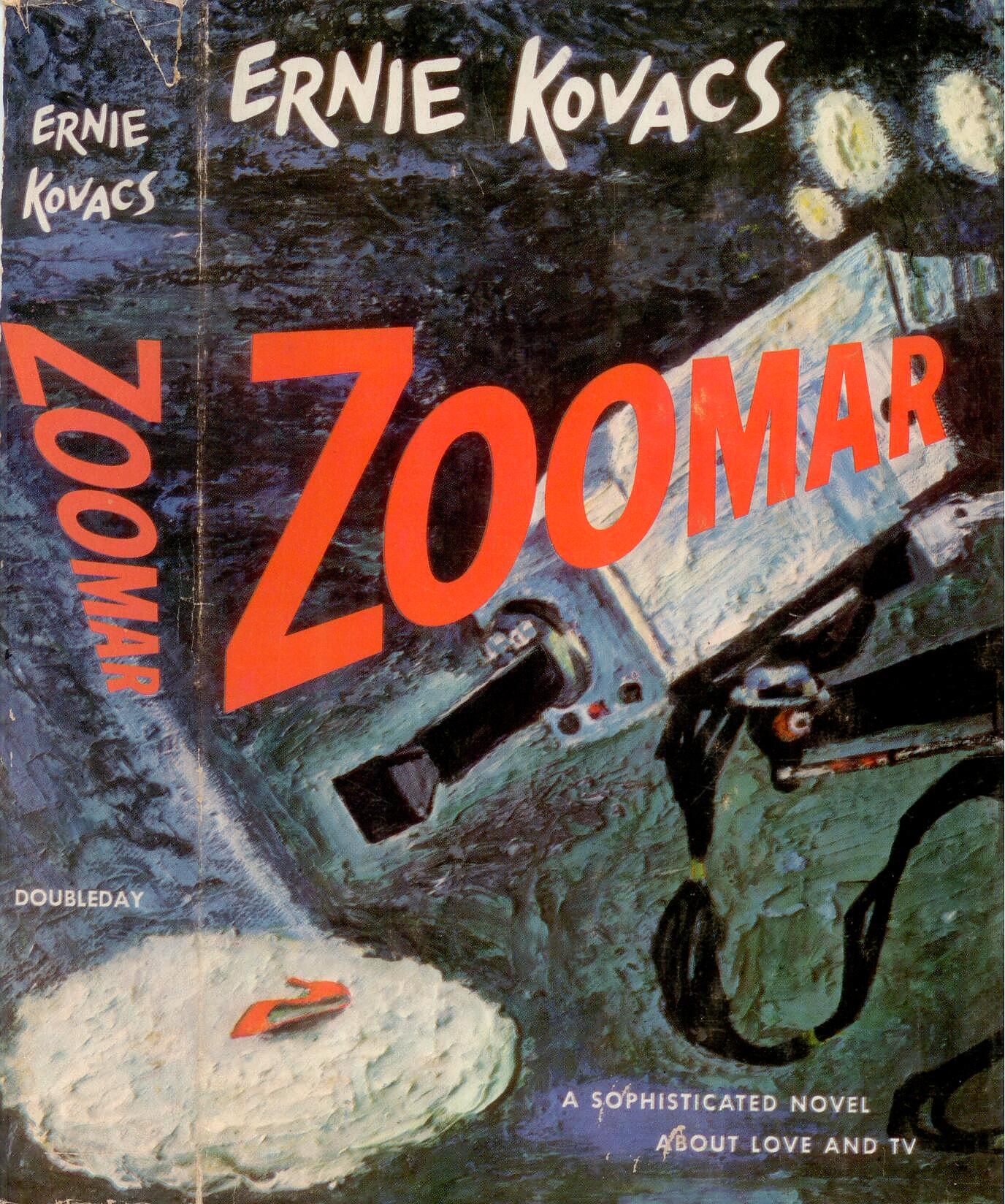
I found a second copy (with the dust jacket, as pictured).

In Diana Rico’s Ernie Kovacs biography KOVACSLAND, she says “In Zoomar Ernie vivesected everything he hated or couldn’t understand about commercial TV: the misdirected network brass decision-making, the stupidity of sponsors, the shlocky shows, the political game playing, the Byzantine cost-accounting systems, the ridiculous pampering of stars.”

She also discounts Ernie’s claims to have written the book in thirteen days.  His editor Kenneth McCormick thinks it was closer to two months.  Either way, he still wrote it quite quickly.

It’s interesting to look at the television industry of fifty years ago, and try to figure out how it compares to the industry today.  Even then, he wrote that “We are the strongest, most influential medium in the entire world.”  Even as a baby, TV was feeling its power grow.

One section, late in the book, makes fun of television ads: “So get Invincible Spray today.” and so on.

Yet for all his criticisms, you also get the sense of his love for and enthusiasm over “the tube.”  In one section, he speaks of the early, rough days of the medium: 

“I started this business in Philly far enough back to remember the vocalist getting burned across the face and chest from the early lighting system.  I helped put the first prisms into a can that had been used for frozen orange juice.  We painted the can black.  This was probably the first image inverter in the business.” 

He goes on to talk about using orange crates for pedestals, and other improvisations.

There’s a “self-referential scene” where one character asks another about Sid Caesar (miss-spelled as Caeser) and it goes on:

How about Kovacs,” as asked.

“Too erratic,” said Hope, “his comedy is too extreme and too frequently he gets his punch line from the grisly side of life…man being torn apart by horse…trick golf expert missing the golf ball and bashing in his assistant’s head.”

“I like him,” said Matti.

“Oh you like everybody,” said Hope.”

There are also references to old movies and movie stars.  If you know who Erich Von Stroheim and Eric Blore were, you’ll better appreciate one of his wisecracks.  Others mention include Walt Disney, Phil Silvers, Sam Goldwyn, Ruby Keeler, Roy Rogers and (I think)  Orson Welles. 

Other (non- movie) people mentioned include Goethe, Nietzsche, Lewis Carroll, Heinrich Heine, dancer Maria Tallchief and cartoonist Al Capp.

There are some nice accounts of the Stork Club and of Christmas in New York.  You get some sense of the city back in the 1950’s.  He also describes the automobile phone (an ancestor of today’s “cell phone”). 

The book notes the existence of sexuality, homosexuality and infidelity.  Today, many of its values may seem out of date, sexist, inappropriate and so on.  The book does seem a product of its times.  There’s one passage which details a sort of “woman-machine.”  Yet for all that, there’s also this, talking about a housecat:

“She wouldn’t eat a poor defenseless bird,” Eileen said, with that misplaced faith that women have in men and animals.

I appreciated this book for giving me more insights into Ernie Kovacs and his times.  Of course, I prefer his television work.  Yet reading this makes one wonder whether he’d have gone on writing books had he lived.  If he had, I think he’d have done some interesting work.

I’ve been doing further studies involving the great Mr. Kovacs.  Expect another post on him from me next year.

My previous blog post on Ernie Kovacs:

https://picturesmove211.wordpress.com/2009/08/20/the-amazing-ernie-kovacs/

An old article which talks about Zoomar:

http://www.angelfire.com/ct3/pouruchista/ek8.htm

This includes an image of the paperback edition of Zoomar:
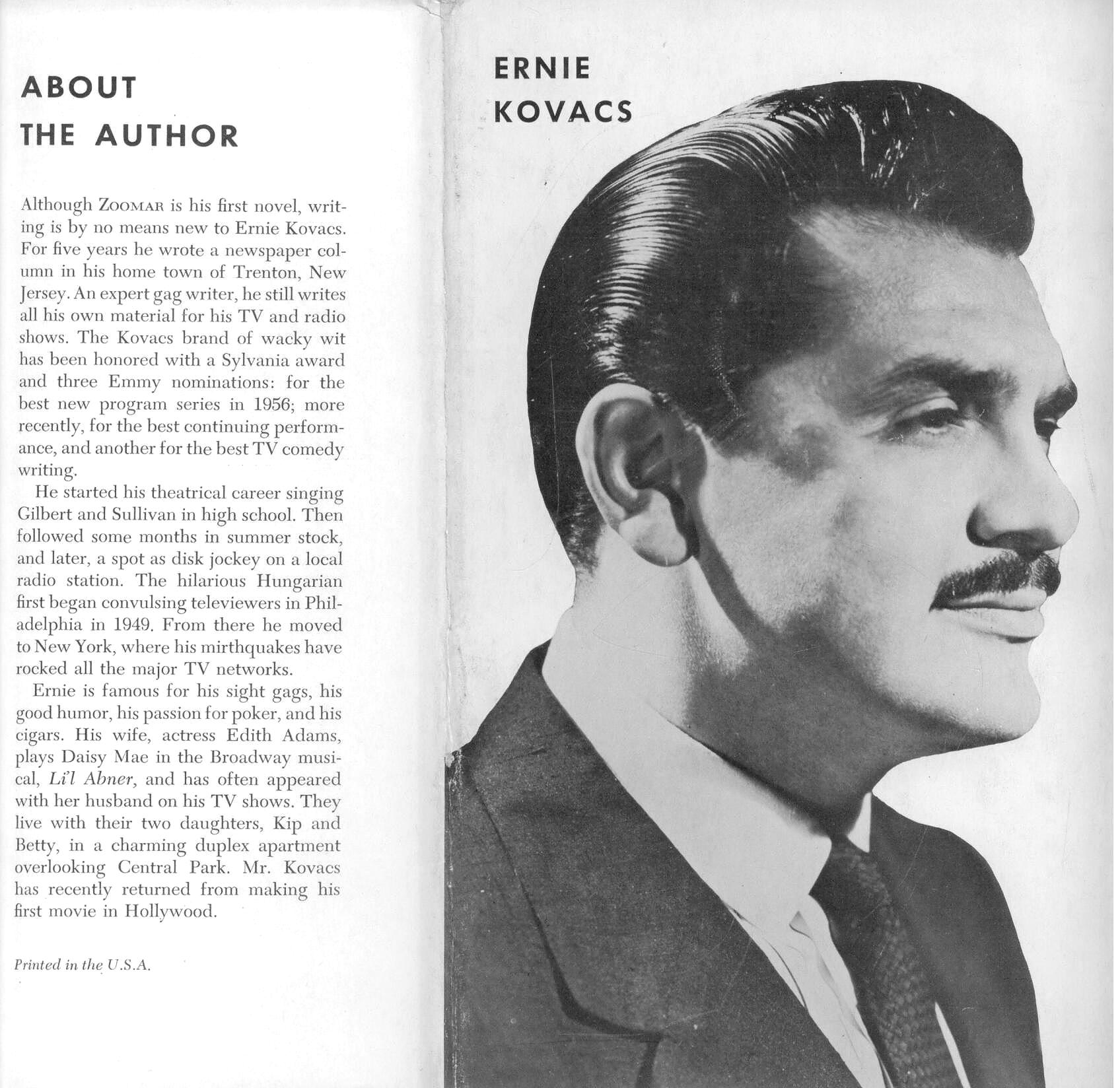
http://www.erniekovacs.net/

Roger Ebert

November 20, 2010

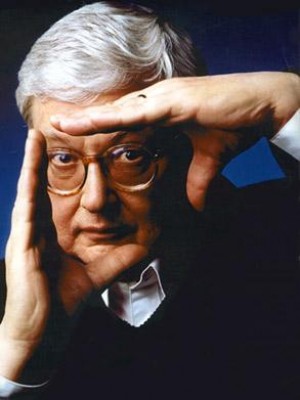
Number 3: This the third in a series exploring those who write about the cinema.  Roger Ebert is among those who’ve done some film work, but is primarily a critic, historian and all around film writer.

Director Werner Herzog dedicated his documentary Encounters at the End of the World to Roger Ebert.  In part of the commentary track he calls Mr. Ebert “a warrior of the cinema.”  This means that he believes Ebert fights for quality and supports “underdog films” and tries to help them.  There’s also a grander sense, in which some people do see themselves in a sort of “Don Quixote” role, fight for cinema.

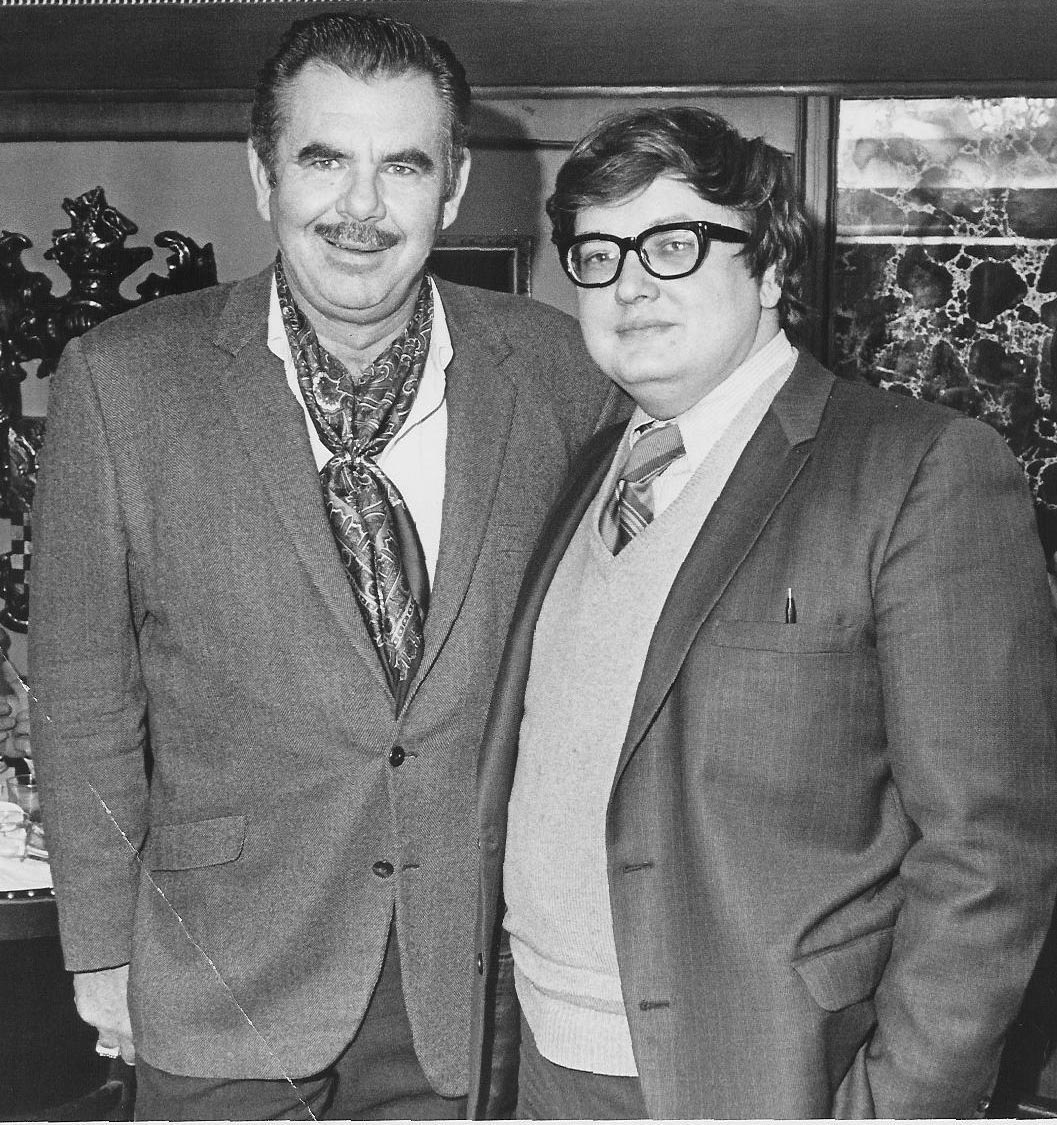
Ebert repaid the compliment in a letter to Werner Herzog. Roger Ebert started writing about films in 1967.  He did some screenplay work for Russ Meyer, including the infamous Beyond the Valley of the Dolls.   The photo above shows Russ Meyer with Roger Ebert.

From 1975 to 1999 he hosted a television “movie review show” with Gene Siskel.  When Siskel died, he continued with a similar show until around 2008.  He’s an interesting figure, both a good writer and popular.  Besides movie reviews, he’s done books on Martin Scorsese and an autobiographical memoir.   He’s also written books on  such topics as cooking and travel.

In the last decade, he’s battled cancer.  He’s hanging in there and is working on a new movie-centered television program including Detroit’s Elvis Mitchell.

http://en.wikipedia.org/wiki/Roger_Ebert

http://rogerebert-prod-1056988946.us-east-1.elb.amazonaws.com/

The new Roger Ebert presents At the Movies:

http://screenrant.com/roget-ebert-presents-at-movies-ross-78098/

Werner Herzog and Roger Ebert:

http://rogerebert-prod-1056988946.us-east-1.elb.amazonaws.com/interviews/a-letter-to-werner-herzog-in-praise-of-rapturous-truth

Update:

Roger Ebert died April 4, 2013:

http://www.suntimes.com/17320958-761/roger-ebert-dies-at-70-after-battle-with-cancer.html

http://www.npr.org/blogs/thetwo-way/2013/04/04/176282302/chaz-ebert-tired-of-cancer-fight-ebert-said-he-had-lived-a-great-and-full-life

http://rogerebert-prod-1056988946.us-east-1.elb.amazonaws.com/

Panic in the Streets/ A Letter to Elia

September 29, 2010

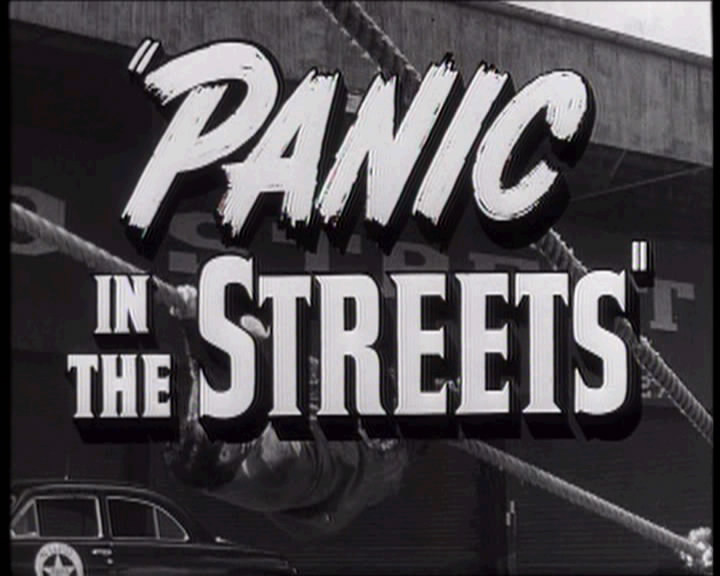
Last Thursday, I saw Elia Kazan’s 1950 film Panic in the Streets at Detroit’s grassroots indie Burton Theatre.  It was pretty great.   I loved it.  I hadn’t seen it in ages.   I wish it would’ve been on film, instead of “digital projection.”  You get all those fleeting swirls of color popping up inside the edges of the black and white.  Still though, it was good to see it on a big screen with an audience.

It was filmed on location in New Orleans.  The next year, Kazan would go back to New Orleans again for a very different film, A Streetcar Named Desire

Panic in the Street‘s a tough, crisp film noir.   Richard Widmark and Paul Douglas are the heroes, in a race against time.  Barbara Bel Geddes played the Widmark character’s wife and Tommy Rettig, his son.  Jack Palance was threatening in his movie debut.  Zero Mostel was sort of a soft tough guy, a “sniveling weasel” type.

It involves trying to catch criminals who are (unknowingly) carrying germs for a potential deadly plague.  The equation of criminality with a contagious disease is interesting.  There’s a subtext equating money and hunger for money with disease as well.  Can capitalism make you sick? 

“Money costs too much.”  I think I read that in a crime novel once, but also I see  “Money often costs too much.” attributed to Ralph Waldo Emerson.  In any case, it can get expensive.

There’s good photography by and good use of New Orleans streets and docks.

They opened the evening’s program with a “sneak preview” of A Letter to Elia.  It’s directed by Martin Scorsese and Kent Jones and narrated by Scorsese.  It’s a portrait of director Elia Kazan.  There are a lot of film clips, especially from On the Waterfront, East of Eden and America, America.

He’s controversial because he named names in the McCarthy/ blacklist era.  It seems to me that in choosing between doing the right thing and being a good human being or compromising, he chose the latter.  He chose art and career over “moral values.”  It was a tough choice.  If he had refused to cooperate, we wouldn’t have many of his best films.

If you’re interested, it’s supposed to be on television next week (early October) as part of PBS American Masters series.

a review of Panic in the Streets:

http://archive.sensesofcinema.com/contents/00/2/panic.html

Cinematographer Joe MacDonald:

http://theartofmemory.blogspot.com/2007/03/joe-macdonald-cinematographer.html

http://lettertoelia.com/

an interview:

http://www.pbs.org/wnet/americanmasters/episodes/a-letter-to-elia/conversation-with-martin-scorsese-and-kent-jones/1647/

http://www.bloomberg.com/news/2010-09-06/scorsese-defends-mccarthy-haunted-kazan-in-venice-movie-review.html

http://www.burtontheatre.com/

Groucho and Me

July 10, 2010

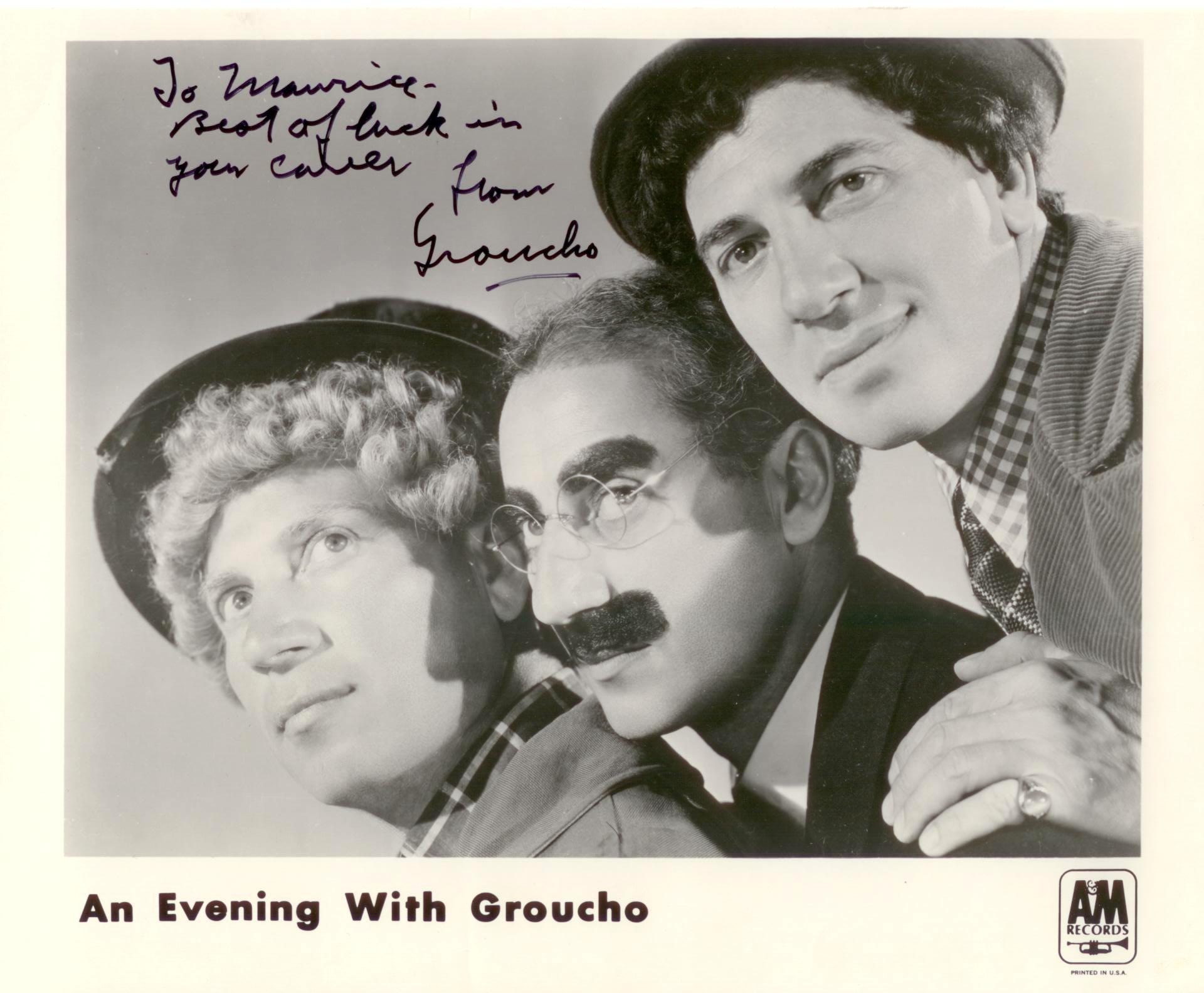
Back in the 1970’s I wrote Groucho Marx a letter.  I requested a photo and told him that I hoped to go “into comedy”  (among other things).  He sent me back this great photo.

Not only did he sign it but he also wished me “best of luck in your career.”  It was also great that his brothers Harpo and Chico were also pictured.  Ha!

Since then, I’ve done a lot of drawing and writing.  I’ve also done some performing.  Some of this is unorthodox “performance art” such as the two years  spent drawing on an abandoned building in downtown Detroit.

I’m also in two musical groups: the Spaceband and the Don’t Look Now Jug Band.

It’s in my puppet shows though, that I do follow though on a “comedy career” of sorts.  Of course I feel “Groucho’s blessing” has helped me be funnier in my schtick.  I have been able to get an audience laughing, sometimes wildly and uproariously laughing.  That’s a great feeling, but it’s a lot of hard work!

PS: I’m a  true Groucho fanatic: his books, quotes, biographies, the Marx Brothers movies, his You Bet Your Life quiz show, etc. etc. etc.

In the week since I posted this I ran across the date I received this in my old journals: November 8, 1975. “I got a personally autographed picture of Groucho Marx in the mail today in reply to the letter I sent him……”

This photo will enlarge if you click on it and hit the backspace to return to the post.

pre-Cinema (and its infancy)

June 23, 2010


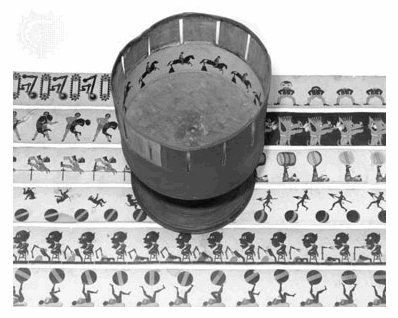
A Zoetrope from the History of Photography Collection, Smithsonian Institution

I’m putting together an exhibition on connections between cartoons and “comics” on paper and animation on film.  In my studies for this, I ran across information on early cinema and its ancestors.

Here are some related websites which should be of interest.

Étienne-Gaspard Robert aka Robertson:

http://en.wikipedia.org/wiki/%C3%89tienne-Gaspard_Robert

Magic Lanterns:

http://www.magiclanternsociety.org/

http://en.wikipedia.org/wiki/Magic_lantern\

thaumatropes:

http://brightbytes.com/collection/thaum.html

http://www.endlessgallery.net/Tutorials/Thaumatrope.html

the praxinoscope:

http://video.google.com/videoplay?docid=-2346866145022517233#

the zoetrope:

http://courses.ncssm.edu/gallery/collections/toys/html/exhibit10.htm#another 

Thomas Edison and early cinema-machines:

http://www.inventhelp.com/ThomasEdisonAddsMotiontoPictures.asp

the Kinetoscope:

http://en.wikipedia.org/wiki/Kinetoscope

the  Mutoscope:

http://www.earlycinema.com/technology/mutoscope.html

http://en.wikipedia.org/wiki/Mutoscope

The praxinoscope:

http://en.wikipedia.org/wiki/Praxinoscope

http://physics.kenyon.edu/EarlyApparatus/Optical_Recreations/Praxinoscopes/Praxinoscopes.html

flip books:

http://www.flippies.com/flipbook-history/

http://www.flipbook.info/index_en.php

I’ve got some nice flip books including one of myself!  I have a cardboard Zoetrope that came as a bonus with a vinyl 33 and a third record album.  You view it while it spins on your turntable.  This is all quite interesting (subjects for further research).

The Silent Era

May 19, 2010

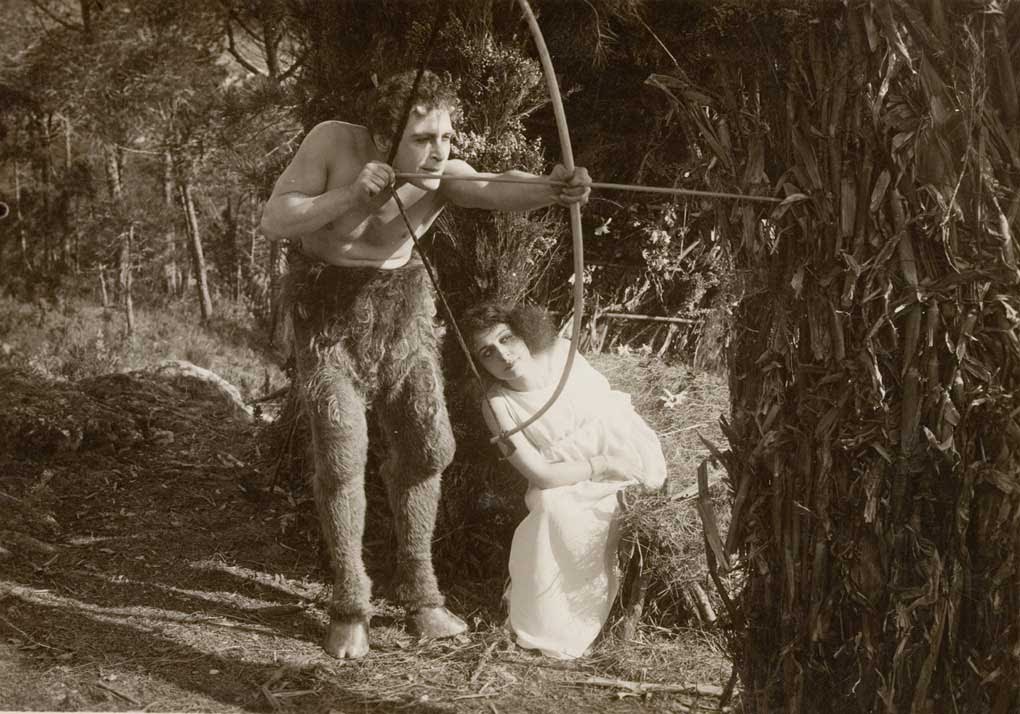
Il Fauno (Italy) 1917

http://www.silentera.com/index.html

This is a cool silent films site.

I haven’t seen a silent movie in a bit, soon, soon. I’ve got a real yearning to see one (maybe Buster Keaton or Von Stroheim or something totally offbeat).

The Invention of Hugo Cabret

March 16, 2010

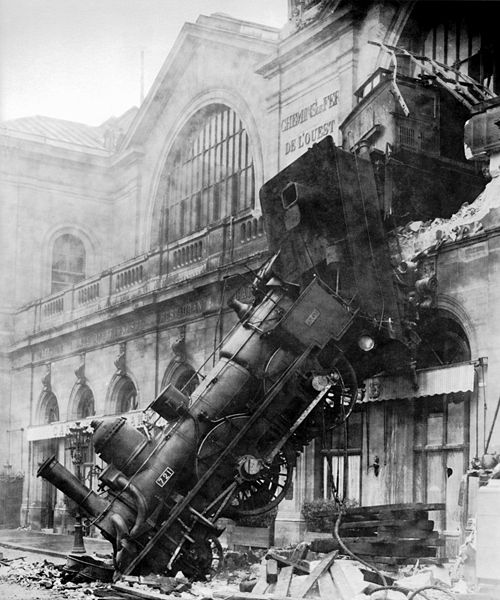
A Train in Paris, circa 1895

This photo is of a train accident in Paris in the 1890’s.  It’s among the many images included in the 2007 book THE INVENTION OF HUGO CABRET A Novel in Words and Pictures by Brian Selznick. 

I thoroughly enjoyed reading this.  It dovetails with a number of my own interests and obsessions including silent films, old Paris, automatons and trains.  It’s a “novel” in a novel form.  Blocks of text are interspersed with found or historical pictures and the author’s own drawings.  All the images made the book “read quickly” for something over 500 pages long.

It’s not like a usual “graphic novel” as there are no word balloons (for dialogue) or captions.

One of my old heroes is involved in the story too, the mysterious wildman of early cinema Georges Méliès.

It won the Caldecott Medal in 2008.  It’s in the news currently as Martin Scorsese is developing a movie based on  this.  He might even direct it himself!

http://www.theinventionofhugocabret.com/index.htm

http://www.theinventionofhugocabret.com/news_movie.htm

http://www.cinemablend.com/new/Martin-Scorsese-Recruits-Chloe-Moretz-For-Hugo-Cabret-17586.html

Recent Viewings/ Exhibit

January 23, 2010

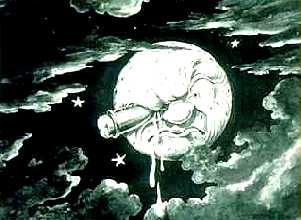
from Méliès 1902 film "A Trip to the Moon"

Well Happy New Years and best for 2010.  My recent viewings include a lot of Akira Kurosawa’s films and “boxing films.”  I’ve done some studies on directors Victor Sjöström, Marcel Carne, Jean Painlevé, Luis Buñuel and Georges Méliès.  I’ve been watching old Warner Brothers cartoons. 

The Detroit Film Theatre opened it’s new season.  I just saw the long version of John Woo’s Red Cliff, a massive, epic action film.  I quite liked it.  It moved well and had some odd, poetic moments.

I’m reading books on Kurosawa and Surrealism and Film by J.H. Matthews.

~~~~~~~~~~~~~~~~~~~~~~~~~~~~~~~~~~~~~~~~~~

I’ve installed a rambling cinema exhibit here at my work, the University of Detroit Mercy Library (McNichols Campus).  Best to see it last week of the month if you visit.  Through January 30th.

I did an extensive Motion Picture display years ago.  As this is up for a short time, I’m not working as hard on it.  Yet, I think it’s a good display of film stills, books, soundtrack LP covers and a few surprises.

Hours:

http://research.udmercy.edu/about/hours/mcn.php

Directions:

http://www.udmercy.edu/about/campus/locations/

~~~~~~~~~~~~~~~~~~~~~~~~~~~~~~~~~~~~~~~~~~~

Victor Sjöström:

http://en.wikipedia.org/wiki/Victor_Sj%C3%B6str%C3%B6m

Georges Méliès:

http://archive.sensesofcinema.com/contents/directors/04/melies.html

Red Cliff at the Detroit Insitute of Arts:

http://www.dia.org/dft/item.asp?webitemid=2129

Kevin Brownlow

December 5, 2009

Number 2: This is the second in a series exploring those who write about the cinema. This is another case of a writer who also makes his own movies as well as writing about them.

Back when I was a college student, I started a lifelong voyage of going deeply into movies.  I became an ardent devotee of the cinema and an occasional film maker myself.  One of the books I read at that time was Kevin Brownlow’s 1968 study of silent films The Parade’s Gone By…

Recently, I read it again.  It’s still wonderful and made me want to see those films again.  A lot of the people were still around then and he was able to interview them.  I’ve read a few of his other books and articles as well.  He’s also made a number of films.

I’ve seen his feature films It Happened Here and Winstanley.  Also, he entered into a partnership with the late David Gill.  I’ve watched their trilogy on the great silent film comics many times.  Unknown Chaplin on Charlie Chaplin, Buster Keaton: A Hard Act to Follow and Harold Lloyd: The Third Genius are wonderful treats for fans of these men.  They include such things as out-takes and home movies.

Other films I’ve seen include D.W. Griffith: Father of Film, Cinema Europe: The Other Hollywood, Universal Horror, Lon Chaney: A Thousand Faces and I’m King Kong! The Exploits of Merian C. Cooper.

He continued making documentary films after Gill’s death.  He’s also been involved with film restoration, most notably with Abel Gance’s epic late silent film, Napoleon.  If you’re interested in silent films, his work is a good place to go to.

A biography of Brownlow:

http://www.allmovie.com/artist/kevin-brownlow-119094/bio

his ten “essential silents” :

http://www.altfg.com/blog/classics/kevin-brownlows-essential-silents/

Abel Gance’s Napoleon:

http://www.silentera.com/info/napoleonRestoration.html

an interview, part one of five parts:

http://annhardingstreasures.blogspot.com/2010/11/kevin-brownlow-interview-part-i.html


Herman G. Weinberg

October 7, 2009

Number 1: This the first in a series exploring those who write about the cinema.  Many of these also do much more than “just write.”

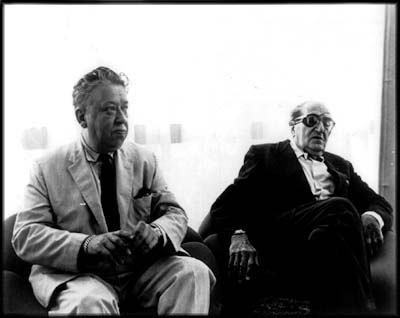
Herman G. Weinberg and Fritz Lang in Montreal in 1967

Herman G. Weinberg and Fritz Lang in Montreal in 1967

On a visit to New York late last Summer, I found Herman G. Weinberg’s memoir A Manhattan Odyssey.  It was published in 1982 by NY’s Anthology Film Archives.   I read it on the way home and enjoyed it.

I’m familiar with his old experimental film Autumn Fire

Then there’s the case of the classic silent films Greed and The Wedding March.  Both films were directed by Erich Von Stroheim.  

They were both released in forms distant from what he’d intended.  He’d filmed more footage than the studio wanted to release so they ended up being butchered and reduced.

Weinberg assembled two books trying to reconstruct these films in book form.  He’d got ahold of a lot of stills and utilized them in giving a sense of the lost scenes.  It provided a picture of what these films could have been.

I’ve seen these films in their existing states.  I’ve also carefully studied these books.  They’re among the first film books to enter my library.

I’ve read The Lubitsch Touch, his study of film director Ernst Lubitsch. 

He has two other books out that I’d like to find.  One’s on Josef Von Sternberg.  The other’s called Saint Cinema: Selected Writings 1929-1970.

his early 1930’s experimental film:

http://www.jonasmekas.com/Merchant2/merchant.mvc?Screen=PROD&Product_Code=442&Category_Code=UnCin&Product_Count=0

http://visionary-film.blogspot.com/2008/12/herman-g-weinberg-autumn-fire-film-poem.html